
This Christmas - Swap the Couch for Time in Nature
For many people, the Christmas holiday brings a welcome pause to routine. For service people, particularly our first responders, it can also be a period of heightened pressure. The rise in incidents, emergencies, and emotionally charged situations places significant pressure on those who serve.
With such demanding workloads, it’s understandable to want to collapse on the couch whenever you’re off duty. But while rest has its place, withdrawing indoors often doesn’t help us decompress or reset. At this time of year, making the effort to get off the couch and step outside, especially into nature, can make a world of difference.
Daily exposure to natural environments such as forests, mountains, beaches, and local parks, has been consistently shown to support recovery and resilience. Unlike passive rest, time in nature engages the body and mind together, creating space for reflection, movement, and nervous system regulation. Even better, grab a friend for a walk and enjoy some quality social engagement too.
Research increasingly shows that structured and repeated exposure to the outdoors can significantly reduce symptoms of post-traumatic stress and psychological distress. Veterans who spent more time in natural environments reported lower PTSD symptoms and greater psychological growth, suggesting that nature can support not only symptom relief but also long-term healing (Bettmann et al., 2021; Wheeler et al., 2020).
Being outdoors encourages mindfulness without effort. Attention shifts away from intrusive thoughts and toward sensory experiences like wind, the sounds of birds, or the rhythm of footsteps on a trail.
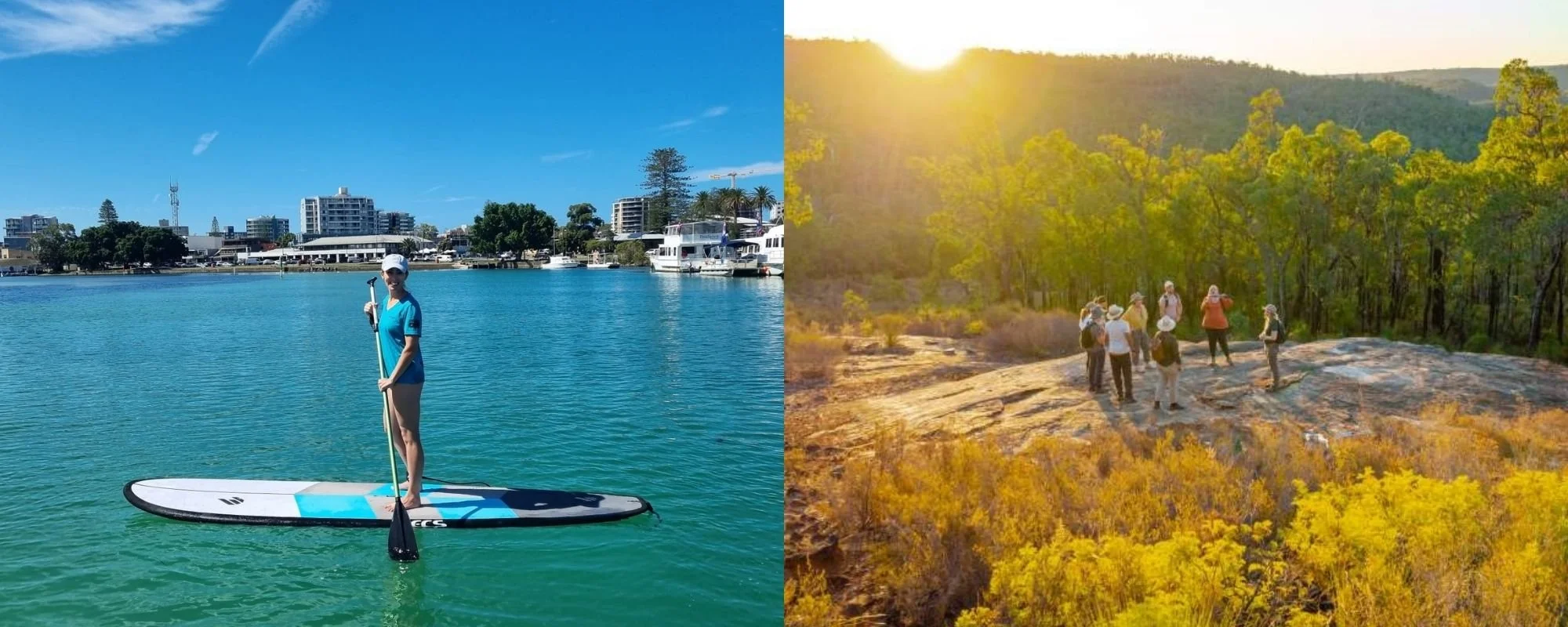
Nature also plays a powerful role in emotional wellbeing. Studies of firefighters participating in forest and coastal retreats found improvements in mood, mental wellbeing, and reductions in perceived stress (Lee et al., 2024).
These environments provide a break from hypervigilance and constant stimulation, allowing the nervous system to downshift. Over the holidays, this can be particularly valuable, helping to balance family demands, social expectations, and the emotional weight of high demand or additional callouts.
The benefits are not just psychological. Physical health markers improve as well. Participation in multi-day nature-based programs has been linked to reductions in systolic blood pressure and pulse pressure, pointing to meaningful cardiovascular benefits (Lee et al., 2024). Even moderate activity like walking on uneven ground, breathing fresh air, and spending time in green or blue spaces supports heart health and improves sleep, both of which are often disrupted by stress and trauma.
Importantly, “getting into nature” does not mean you have to plan an expedition. A daily coastal walk, a hike through nearby bushland, fishing at a local river, or sitting quietly under trees can all deliver benefits. Consistency matters more than intensity. Simply replace prolonged inactivity with active experiences that reconnect you with your body and natural surroundings.
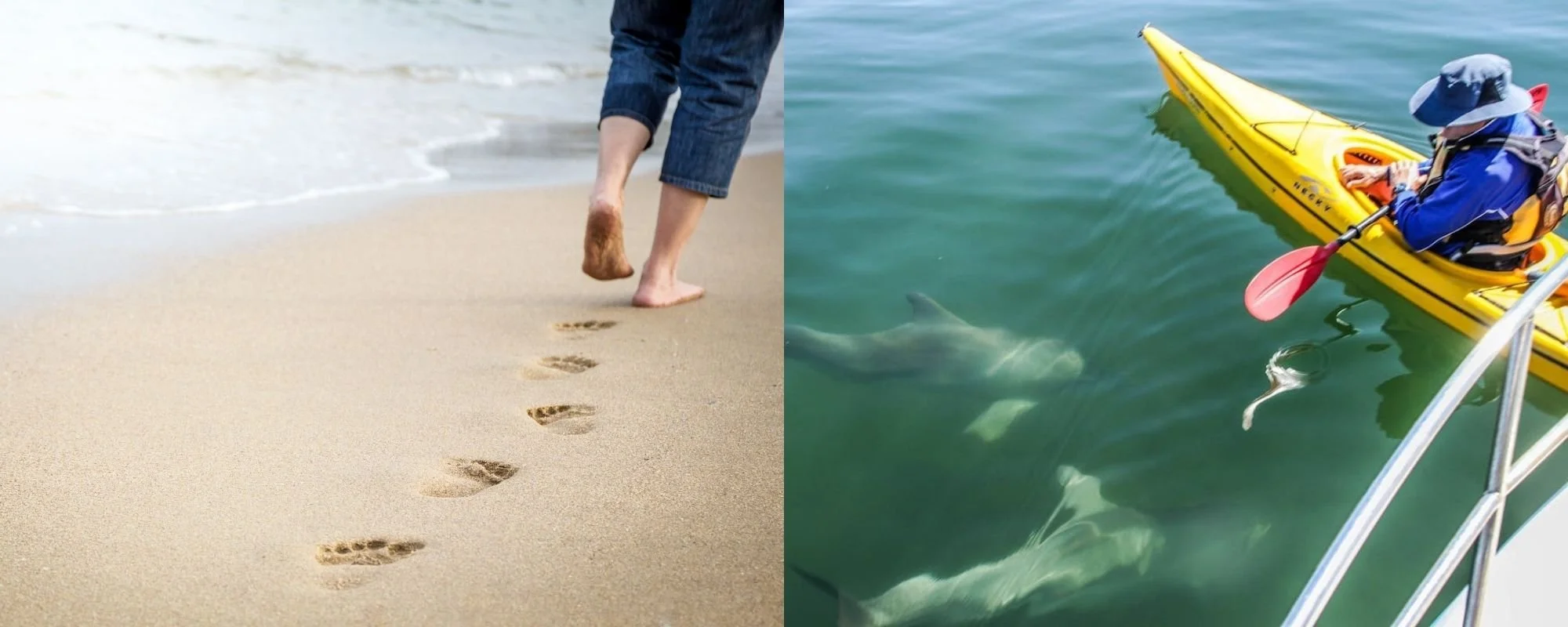
This Christmas, nature offers more than scenery, it offers restoration. Stepping outside, even briefly, can help reset your nervous system, lift your mood, and strengthen your physical health.
For Australia’s Defence and First Responders, so much of life is spent in high-stress environments. Nature offers a simple and evidence-based way to recover and reconnect. It helps people move forward, one step outdoors at a time.