
Building a strong tribe
Building a Strong Tribe is Vital for your Health
For military and first responders, life on the front lines can be stressful and even traumatic. While strength, discipline, and resilience are often emphasized, one of the most powerful protective factors is far simpler and deeply human - connection.
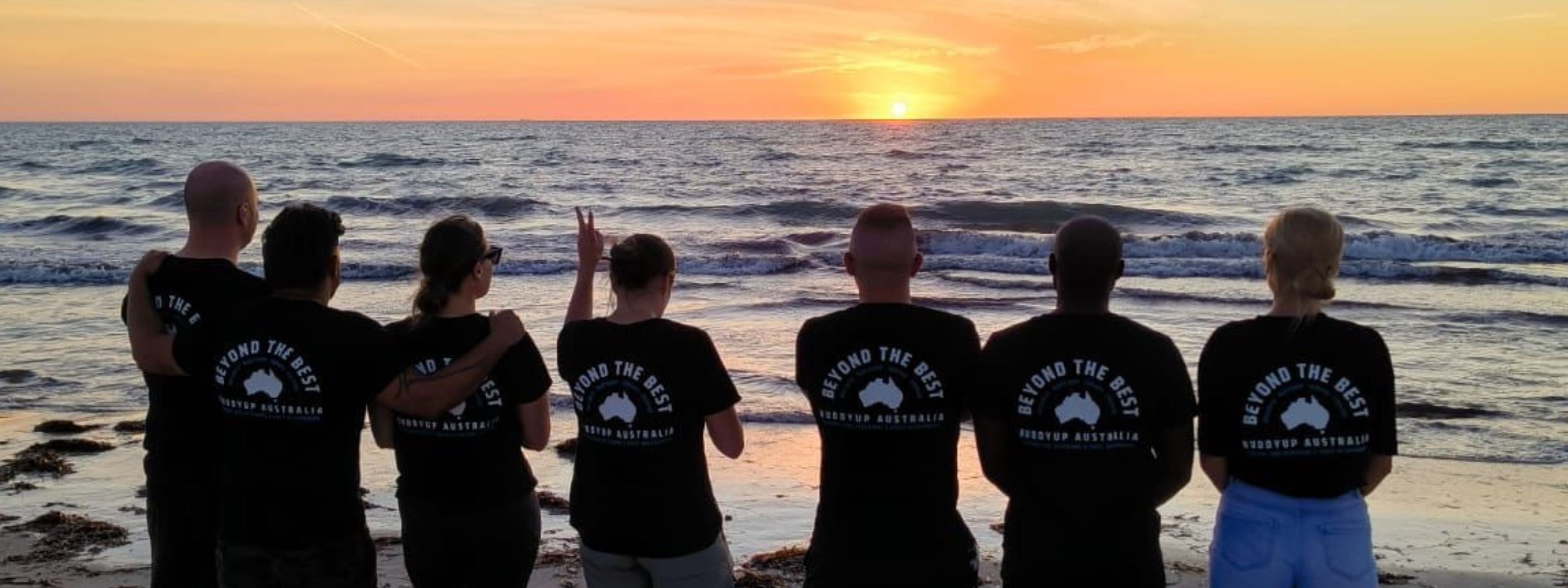
Building a strong tribe of people who understand your experiences can be life changing. Research consistently shows that social support plays a critical role in protecting mental health. In fact, a lack of social connection is one of the strongest risk factors for PTSD, anxiety, and depression, while strong support networks act as a buffer against these conditions. For first responders, who are regularly exposed to traumatic events, this becomes even more important.
Spending real, quality time with great people, whether that’s friends or family, creates a sense of belonging that directly impacts recovery and resilience. Similarly, structured social support interventions highlighted in clinical research (including work by Wheeler et al., 2020 and Galovski et al., 2024) demonstrate that connection is not just helpful, it’s therapeutic.
Whether it’s a group chat that checks in daily, a weekend camping trip, or simply sitting down with someone who understands without explanation, these moments help regulate stress, reduce isolation, and reinforce identity beyond the job. Social support has even been shown to reduce physiological stress responses, lowering cortisol levels and improving overall well-being.
Importantly, connection doesn’t just reduce symptoms, it builds resilience. Studies on frontline rescuers show that social support is particularly effective in reducing symptoms such as sleep disturbance and fatigue, while also supporting long-term recovery. In other words, your tribe doesn’t just help you survive tough experience, it helps you grow through them.
The message is even simpler: don’t go it alone.
Reach out. Stay connected. Invest time in the relationships that make you feel seen, understood, and supported. Living in high-pressure environments, resilience isn’t built in isolation, it’s built together.
Your tribe might just be your strongest line of defence.
References